


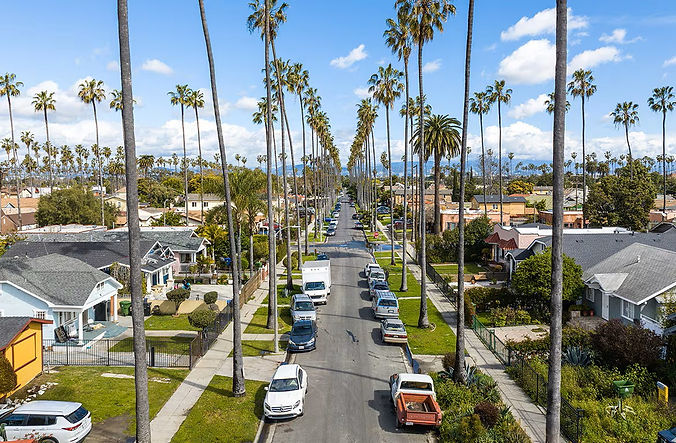
South Los Angeles
South Los Angeles is a supply-constrained multifamily market characterized by older apartment inventory, smaller low-rise properties and comparatively attainable rents. Limited new construction and the scarcity of modern luxury housing have helped maintain tight vacancy despite recent softness in renter demand. The market’s established housing stock provides opportunities for investors pursuing renovation, operational improvement and long-term appreciation strategies. Although absorption turned negative during the latest reporting period, vacancy remains among the lowest in the Los Angeles region, while rent growth continues to outperform the broader metropolitan market. Future inventory growth is expected to remain limited, supporting generally stable long-term multifamily fundamentals.
MARKET OVERVIEW
Source: CoStar | South Los Angeles Multifamily | 2025
Units Delivered
9
Rent Growth (YoY)
1.3%
Average Cap Rate
5.5%
Vacancy Rate
3.4%
Average Price Per Unit
$243,017
Average Rent
$2,064
Absorption Rate
-0.7%
Total Transactions
44
DEVELOPMENT PIPELINE
Multifamily development activity remained extremely limited across the South Los Angeles submarket in 2025. Only nine units were delivered during the year, all within a single project at 2042 East El Segundo Boulevard. No multifamily units were reported under construction at year-end, reflecting the market’s historically constrained development environment. Limited available sites, extensive single-family zoning and construction costs continued to restrict new supply. As a result, the submarket’s multifamily inventory increased by only nine units during 2025, representing effectively no annual inventory growth and helping preserve tight vacancy despite weaker renter absorption.
TENANT PROFILE
South Los Angeles serves a predominantly value-oriented renter base, supported by an apartment inventory composed largely of older one- to three-star properties. Approximately three-quarters of the market’s units fall within the one- and two-star category, providing comparatively attainable housing relative to the broader Los Angeles market. Three-star communities offer a middle-market alternative, while luxury apartments represent only a small portion of the available inventory. This housing mix primarily appeals to tenants who prioritize affordability, practical living space and access to employment and transportation over newer construction and extensive community amenities.